
Nintendo
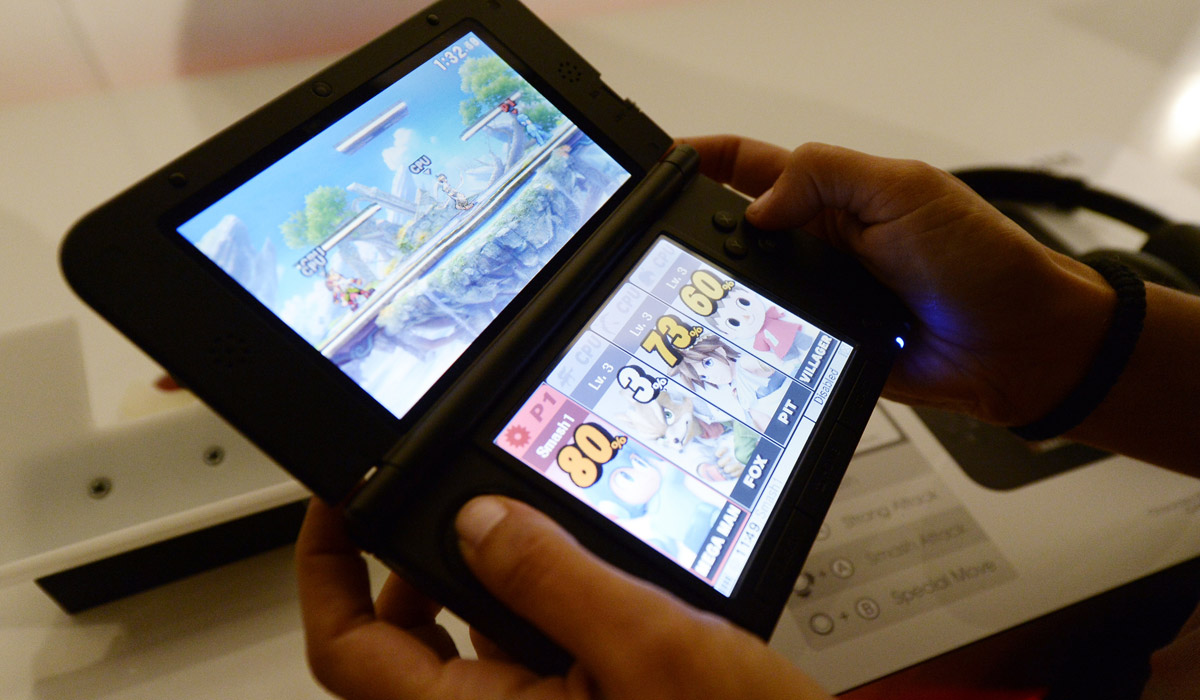
3DS does not infringe a patent on 3D display technology originally
asserted against the developer by Tomita Technologies in 2011.
Reuters
New York federal court judge Jed Rakoff has ruled in favour
of developer Nintendo stating that the Nintendo 3DS does not infringe a
patent on 3D display technology originally asserted against the
developer by Tomita Technologies in 2011. Announced on Sunday 24 April,
the ruling reverses the lower court's initial decision from 2013 and
invalidates Tomita's original award of $30.2m in damages.
The judge found that the technology "relating to displaying
stereoscopic images on-screen for viewing with the naked eye, ie,
without utilising glasses or other devices" performed differently in
Nintendo's system than it does in Tomita's in a way that was not
envisioned by the plaintiff's original 2008 patent.In 2013, Tomita's attorneys told jurors that Seijiro Tomita, a former Sony engineer who owns Tomita Technologies, presented a prototype of his technology to seven Nintendo officials in 2003 when the patent was still pending. The suit claimed that these developers went on to help create the Nintendo 3DS that was eventually launched in 2011.
Nintendo countered this saying Tomita was just one of
several inventors selling 3DS technology that the game developer met at
the time. They added that the technology eventually used was developed
by Sharp who was interviewed by Nintendo in 2002. The former Sony
employee sued Nintendo in 2011 for patent infringement, claiming he was
entitled to $9.80 for every 3DS sold. To date, Nintendo has sold almost 59 million units of the Nintendo 3DS.
After appealing against the court's original 2013 decision
against Nintendo, the company was granted a retrial and the ruling was
eventually successfully overturned.
"We are very pleased with the court's finding that Nintendo
does not infringe," Ajay Singh, Nintendo of America's Director of
Litigation and Compliance, said in a statement.
"Nintendo has a long history of developing innovative products, and we
aggressively defend patent lawsuits when our products do not infringe,
even when we must do it over many years and through multiple trials."
Post a Comment