Articles by "Research"

Sue Dunlevy You may transmit COVID-19 before you show symptoms of the virus, several new studies have found prompting experts to question containment policies.
Two studies from Germany and Japan, published in recent days, have raised questions about Health Department advice that require only those showing symptoms to self-isolate.
The findings add weight to the gathering calls for mass public events to be cancelled in an attempt to contain the virus.
They come as one expert called for the flu vaccine to be made available free for everybody this year.
Researchers in Germany studied nine patients, all admitted to the same Munich hospital, and found people who contract the virus emit high amounts of virus very early on in their infection.
This helps to explain the rapid and efficient way in which the virus has spread around the world.
The study, by scientists in Berlin and Munich, is one of the first outside China to look at clinical data from patients who have been diagnosed with COVID-19, and one of the first to try to map when people infected with the virus can infect others.
“Together, these findings suggest a more efficient transmission of (COVID-19) than (the 2003 SARS virus) through active pharyngeal viral shedding at a time when symptoms are still mild and typical of upper respiratory tract infection,” the research, which has not been peer reviewed, found.
In the 2003 SARS, it took seven to 10 days after onset until peak concentrations the viruses RNA were reached but in COVID-19 peak concentrations were reached before day five, and were more than 1000 times higher, the study published in medRxiv found.
Another study in Japan at Hokkaido University found the time from the onset of symptoms of COVID-19 to symptom onset in patients infected by that person was just four days.
Other studies have shown it takes five to six days for symptoms of the virus to appear and “This suggests that a substantial proportion of secondary transmission may occur prior to illness onset,” the authors wrote.
On March 2 Chief Medical Officer Professor Brendan Murphy was pressed about this issue.
He said “we do believe that there are some people whose symptoms are so mild that they may be almost unaware that they’re infected, particularly just as they become infectious. But, all of the evidence suggests that people are most infectious when they’re symptomatic.”
“So, that’s still the most important piece of advice, to isolate when you’re symptomatic.”
Meanwhile influenza expert Professor Paul Van Buynder, former head of the Immunisation Coalition, wants flu vaccines made free for everybody.
Coronavirus is expected to peak at the same time as our traditional flu season which already puts major stress on the public hospital system.
Making the vaccine free would encourage people to get it, he said.
There is no vaccine for coronavirus but we can prevent the flu using a vaccine, he said.
“There are a lot of things we could be doping, making the flu vaccine free for everyone is one example,” he said.
However, the current head of the Immunisation Coalition Robert Booy did not support making the vaccine free for everyone.
It is already free for the over 65s, pregnant women, children under five, those with chronic illnesses and indigenous Australians, he said.
The bigger problem was getting more than 50 per cent of those who were eligible for a free flu shot to go and get it, he said.
Flu vaccines for the general population should be available in pharmacies now and he encouraged people to get one.
The free flu vaccine will be brought forward from mid to early April because of coronavirus, he said.
The government has ordered over 10 million doses for this year.
Join Geezgo for free. Use Geezgo's end-to-end encrypted Chat with your Closenets (friends, relatives, colleague etc) in personalized ways.>>

Green tea extract may help fight pulmonary fibrosis
4-5 minutes
A green tea extract has shown early hints of promise against a serious, progressive form of lung disease, researchers say.
The disease is called pulmonary fibrosis, where scar tissue builds up in the lungs over time, limiting the amount of oxygen the body receives. Eventually, life-threatening lung failure can develop.
There are many types of pulmonary fibrosis, but the most common is the "idiopathic" form.
"That's a fancy term doctors use when we don't know the cause," explained Dr. David Hill, a volunteer medical spokesperson for the American Lung Association.
Until a decade ago, he said, there weren't many treatments for patients with idiopathic pulmonary fibrosis, or IPF, other than measures to help them manage symptoms and maintain their lung function as much as possible.
Since then, Hill said, two medications have been approved that can slow the progression of the lung scarring. They cannot, however, stop the disease.
So there is a critical need for new treatments, Hill said.
The new study is an early look at the green tea extract EGCG.
EGCG, short for epigallocatechin gallate, is a powerful antioxidant -- compounds that can help protect body cells from damage related to various disease processes.
For the study, Dr. Harold Chapman of the University of California, San Francisco, and colleagues recruited 20 patients with IPF who were scheduled to undergo lung biopsies. For two weeks, half the patients took 600 milligrams of EGCG by capsule each day; the other half did not.
When the researchers later analyzed the patients' biopsied lung tissue, they found key differences between the two groups. Patients who'd taken the supplement showed lower levels of certain proteins involved in lung fibrosis.
Their blood samples told a similar story. Levels of two proteins associated with IPF activity were lower, versus patients who did not use the green tea extract.
Hill called the findings "intriguing."
"Does this warrant looking at it in larger studies?" he said. "Sure."
But until then, Hill said, no conclusions can be drawn. This study was obviously small and short-term, and there is no proof yet that EGCG capsules can actually help IPF patients, he noted.
Dr. Gregory Cosgrove is chief medical officer of the nonprofit Pulmonary Fibrosis Foundation.
He said the researchers took a "pretty unique and clever" approach: Whereas studies typically assess an IPF treatment by giving patients breathing tests, this one looked for objective changes in lung tissue -- which, in this case, were quickly detectable.
Cosgrove agreed that the findings are "encouraging" and merit further study of the supplement's benefits and any side effects. One of the logical next questions, he said, is whether the supplement can also improve patients' breathing test performance.
For now, those questions remain open. And even though green tea extracts are readily available, that does not mean people should rush to buy them, according to Cosgrove.
"We cannot say this is an appropriate therapy for IPF," he said. "I'd hate to see patients decide they're going to take EGCG instead of proven medications."
It's estimated that about 200,000 Americans have IPF, with roughly 50,000 new cases diagnosed each year, according to the Pulmonary Fibrosis Foundation. Studies have found an average survival rate of three to five years. But the foundation says that's based on older data, and some people live much longer with the disease.
The symptoms include a persistent cough, fatigue and breathlessness during physical activity. Since other conditions can cause similar problems, Cosgrove said, pulmonary fibrosis can initially be missed.
While the precise causes of IPF are unknown, older age raises the risk, Cosgrove said. Most cases are diagnosed in people in their 60s or beyond. Smoking and a family history of IPF are also considered risk factors.
The current study was reported in a letter in the March 12 issue of the New England Journal of Medicine. It was funded by government and foundation grants. Three co-authors on the work are with Pliant Therapeutics, a South San Francisco-based company developing drugs for various fibrotic diseases.
More information
For more on pulmonary fibrosis, visit the Pulmonary Fibrosis Foundation.
Copyright 2020 HealthDay. All rights reserved.
Join Geezgo for free. Use Geezgo's end-to-end encrypted Chat with your Closenets (friends, relatives, colleague etc) in personalized ways.>>

Aislinn Laing
A study by Massachusetts Institute of Technology experts that called into question the alleged election fraud that drove Bolivian President Evo Morales to resign has triggered sniping between left and right-leaning governments in Latin America.
FILE PHOTO: Former Bolivian President Evo Morales holds a paper depicting the image of Bolivia’s interim President Jeanine Anez, during a news conference as a reaction to electoral body decision of banning his intention to run as a senator candidate in May election, in Buenos Aires Argentina February 21, 2020. REUTERS/Agustin Marcarian/File Photo
The analysis by two researchers in MIT’s Election Data and Science Lab, made public last week, stated that an Organization of American States (OAS) finding that fraud helped Morales win was flawed and concluded that it was “very likely” the socialist president won the October vote by the 10 percentage points needed to avoid a runoff.
The OAS in a statement on Friday dismissed the MIT study as “unscientific.”
Bolivia will run a fresh election in May. The MIT study prompted Morales, who fled Bolivia first to Mexico and then to Argentina, to call on Sunday for the “democratic” international community to steward the upcoming election carefully.
“The coup-mongerers intend to disqualify our candidates,” Morales wrote on Twitter.
The OAS report cited several violations in the October election including a hidden computer server designed to tilt the vote toward Morales, who served as Bolivia’s president for 14 years. Morales resigned amid violence in Bolivia in the aftermath of the election fraud allegations, declaring he was the victim of a “coup.”
Morales has said he will return to Bolivia, but has been charged by the caretaker government with sedition and blocked from running as a candidate for senator.
Leaders of a number of left-leaning Latin American countries supportive of Morales have weighed in since the release of the MIT report, with Mexico asking the OAS to clarify its findings.
Venezuela’s socialist President Nicolas Maduro reiterated his claim that the OAS is a tool of the United States, posting on Twitter on Sunday that the MIT study was “more proof that the Ministry of the Colonies (OAS) threatens the will of the free peoples of the continent.”
Argentine President Alberto Fernandez said the report’s findings justified his continued support for Morales.
“We demand the prompt democratization of Bolivia, with the full participation of the Bolivian people and without prescriptions of any kind,” Fernandez wrote on Twitter.
Conservative leaders in Latin America backed the OAS.
Ernesto Araujo, Brazil’s foreign minister, said fraud in Bolivia’s election had been “crystal clear”.
Tuto Quiroga, a former Bolivian president who is running in the upcoming election, called the MIT study a “rehash of old lies.” Quiroga pointed out that Morales had himself asked the OAS to review the October election, called a fresh vote after the OAS report on the matter and dismissed members of the country’s electoral board.
MIT did not respond to a request for comment.
Join Geezgo for free. Use Geezgo's end-to-end encrypted Chat with your Closenets (friends, relatives, colleague etc) in personalized ways.>>

2-3 minutes
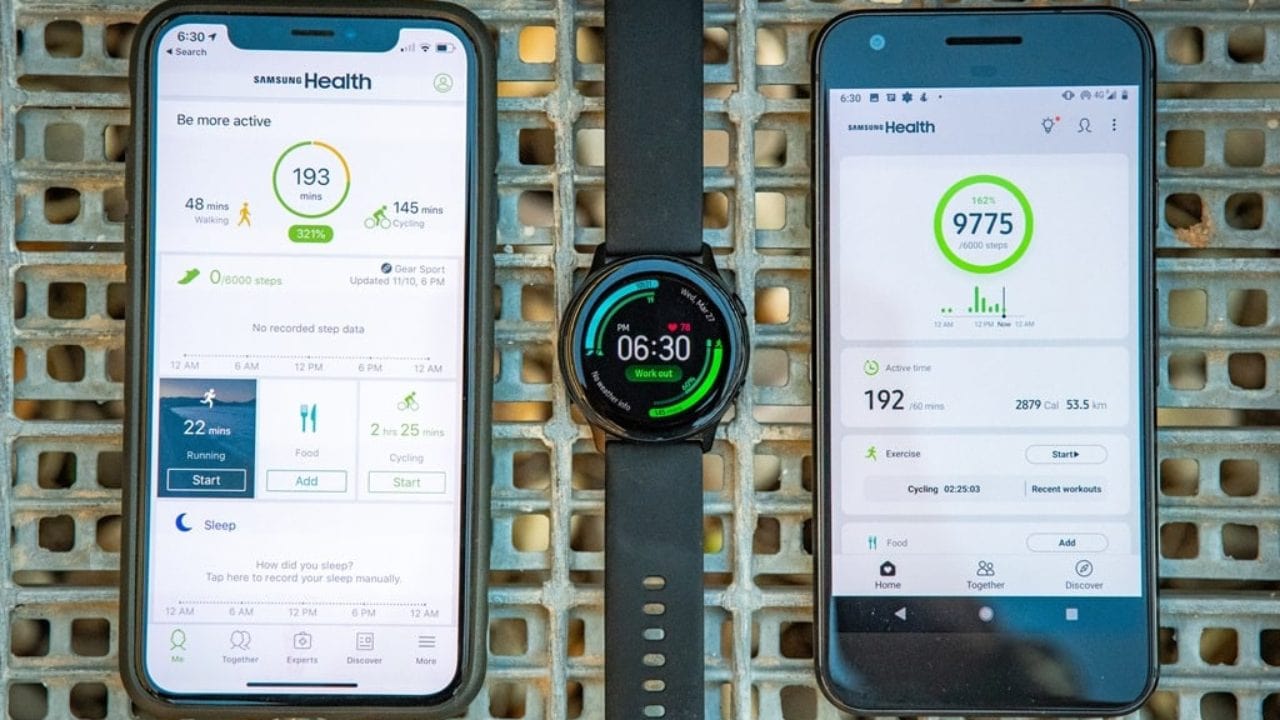
Smartphones appear to be more effective than wearable fitness devices in helping doctors track patients' physical activity, researchers say.Image result for Phones more popular than wearable devices for tracking steps
Their new study included 500 patients who joined activity tracking programs at two Philadelphia hospitals. Half used a smartphone app to track their daily steps after leaving the hospital. The other half used a wearable device.
Patients were instructed to send their step data to researchers on a regular basis. If they hadn't done so for four straight days, there were reminded via emails, texts or voice messages.
During follow-up, patients using the smartphone app were more likely to relay their data than those with the wearable devices.
Thirty days after hospital discharge, 87 percent of the smartphone group were still sending in their data, compared to 82 percent of those with wearable devices.
The rates after three months were 78 percent and 68 percent, respectively. After six months, the rates were 61 percent and 47 percent -- a substantial difference of 14 percentage points.
The University of Pennsylvania study was recently published in the journal JAMA Network Open.
"Most people with smartphones take them everywhere they go. Since carrying the phone is already a built-in habit, it makes it much easier to use the device to track activity levels," said lead author Dr. Mitesh Patel, an assistant professor of medicine.
"While wearables can track other metrics, every time patient takes them off, there's a possibility that they may never put it back on again," he said in a university news release.
The study also found that men were more likely than women to continue reporting their step data, and that patients with Medicaid insurance were nearly twice as patients with other insurance to not submit their data.
More information
The U.S. National Heart, Lung, and Blood Institute offers a guide to physical activity.
Copyright 2020 HealthDay. All rights reserved.
Join Geezgo for free. Use Geezgo's end-to-end encrypted Chat with your Closenets (friends, relatives, colleague etc) in personalized ways.>>

Last year, the FDA recognized a new drug for epilepsy made from marijuana’s own CBD, otherwise known as cannabidiol. That means the marijuana plant may have a confirmed medical use after all.

So what about medical marijuana and diabetes? Can diabetics use the drug to help their condition or safely use it for pleasure?

As more states legalize medical marijuana, people with all kinds of diseases are wondering this same question.

However, diabetics are left reading between the lines of existing studies to make a conclusion. The short answer: experts don’t know for sure.

People with diabetes can discuss how to safely use medical marijuana with their doctors. However, the research is slim and sometimes opposing on whether the drug actually helps diabetes.

One large study published in The American Journal of Medicine points to positive benefits for diabetes.

The study was conducted on over 4,600 participants using the National Health and Nutrition Examination Survey (NHANES) survey. Of those participating, about 580 used marijuana regularly and over 1,900 had used it in the past. Interestingly, researchers found that using marijuana was associated with a lower fasting insulin level and a smaller waist size.

A review published in the Natural Medicine Journal also highlighted positive outcomes. The review cited the NHANES study as well as several mice models that suggest cannabis protected mice from getting diabetes or reduced its severity.

The review also pointed out a study in Israel that revealed a low dose of THC, well below its psychoactive capabilities, could protect the body against organ damage.

But there are studies showing negative effects too. One such study published by the American Diabetes Association showed that marijuana users tended to consume about 20 percent more food, eat a lesser quality diet involving simple carbs, have higher blood pressure and have a higher percentage of visceral fat.

All of these markers could exacerbate diabetes risk. To balance these findings, though, the same study did find that marijuana users had lower overall fat content and a lower BMI.

Other possible (largely unproven) benefits of medical marijuana that many cannabis advocates commonly highlight:

? Reducing anxiety

? Reducing pain and inflammation

? Slowing cancer growth

? Muscle relaxant, which could be helpful for multiple sclerosis

? Controlling side effects of chemotherapy, such as nausea and vomiting

Officially, the National Institute on Drug Abuse states that not enough large-scale studies have been conducted to provide definitive answers about medical marijuana. One thing is certain, though: In light of the new wave of cannabis interest, this is a field of study researchers cannot overlook.

The difficult task is to conduct such research under available laws, which prohibit the use and study of marijuana by the federal government. Researchers will need to take care to go the proper pathways so that more research can become available and recognized.
https://www.geezgo.com/sps/52709

Join Geezgo for free. Use Geezgo's end-to-end encrypted Chat with your Closenets (friends, relatives, colleague etc) in personalized ways.>>

New mothers who take opioid painkillers after vaginal birth or cesarean section may be at increased risk of becoming persistent users, a new study finds.

Researchers from Vanderbilt University in Nashville examined data from more than 102,000 new mothers in Tennessee. None had used opioids in the 180 days before delivery.

After delivery, 89 percent who had a cesarean delivery and 53 percent who had a vaginal delivery filled opioid prescriptions.

The overall rate of persistent opioid use in the year after delivery was low overall -- less than 1 percent. It was higher among women who had C-sections, the study found.

But among women who filled an initial opioid prescription, the risk of persistent use was similar for both groups. And, the researchers found, filling additional prescriptions substantially raised the risk for both groups.

The findings suggest current prescribing practices could put a large number of new mothers at risk for chronic opioid use, the researchers said.

"This study is one of the first to indicate that regardless of the delivery type, postpartum initiation of opioid use -- a modifiable practice -- is associated with persistent opioid use," study senior author Dr. Carlos Grijalva said in a university news release. He's an associate professor of health policy at Vanderbilt.

"If our estimates were projected to the number of women who give birth annually in the United States, we calculated that every year there would be around 21,000 women becoming chronic opioid users that would be attributable to opioid use in the postpartum period," Grijalva said.

With 86 percent of women in the United States having at least one delivery and almost a third having a C-section, the potential impact of postpartum opioid prescribing is "huge," said lead author Dr. Sarah Osmundson. She's an assistant professor of maternal-fetal medicine. "Policies designed to standardize and improve opioid prescribing have the potential to influence exposures for a large proportion of our population," Osmundson said.

Obstetricians should consider other methods of pain control for women after childbirth, researchers said.

The study was recently published as a research letter in the American Journal of Obstetrics and Gynecology.

Join Geezgo for free. Use Geezgo's end-to-end encrypted Chat with your Closenets (friends, relatives, colleague etc) in personalized ways.>>

In the future, they could be used to stabilize telescopes studying exoplanets.

Using the recently retired Kepler space telescope, scientists have confirmed thousands of exoplanets, and as its successor TESS ramps up its search, we're poised to discover plenty more. But once we find exoplanets, learning more detailed information about them requires larger, more powerful space telescopes. These telescopes would need very large mirrors, much like NASA's upcoming (and continuously delayed) James Webb Telescope, which will use its 6.5-meter-wide mirror to observe extremely distant galaxies. And like the James Webb Telescope, they very well could have a mirror made up of many individual segments -- Webb's has 18.

But while that sort of design allows for very large telescopes to be launched into space, it comes with its own challenges. One of which is the need for exceptional stability. "Any disturbance on the spacecraft, like a slight change in the angle of the sun, or a piece of electronics turning on and off and changing the amount of heat dissipated across the spacecraft, will cause slight expansion or contraction of the structure," MIT postdoc Ewan Douglas told MIT News. "If you get disturbances bigger than around 10 picometers, you start seeing a change in the pattern of starlight inside the telescope, and the changes mean that you can't perfectly subtract the starlight to see the planet's reflected light."

What that boils down to is if the telescope isn't extremely stable, its measurements could be off, affecting observations of distant exoplanets.

Scientists are able to use laser light pointed from the ground to the sky as a way to guide and stabilize telescopes. And researchers at MIT are riffing on that idea, proposing that, in the future, we use small satellites, such as CubeSats, to guide large space telescopes with laser light. "Rather than pointing a laser from the ground into space, we're shining it from space, onto a telescope in space," said Douglas.

The research team described the idea in a study published in the Astronomical Journal, which explored how bright of a laser would be required as well as how far away and how stable it would need to be. But overall the team found that existing technology could get the job done. In such a scenario, the satellite would point a laser at the telescope's mirrors and an onboard camera would monitor the light and any major changes, allowing the telescope to adjust as needed.

The researchers are still looking into some of the logistics of such a system, but in the future, this method could help reduce the cost of large, segmented telescopes. "This paper suggests that in the future, we might be able to build a telescope that's a little floppier, a little less intrinsically stable, but could use a bright source as a reference to maintain its stability," said Douglas.

Join Geezgo for free. Use Geezgo's end-to-end encrypted Chat with your Closenets (friends, relatives, colleague etc) in personalized ways.>>

As many Americans plan for Christmas dinner, the number of people sickened from raw turkey in a nationwide salmonella outbreak has risen to 216.

Scientific evidence shows raw turkey products from various sources are contaminated, causing people to get sick, the Centers for Disease Control and Prevention said in a statement on the investigation. The strain has been identified in live turkeys, raw turkey products and raw turkey pet food.

As of Tuesday, 216 people have become ill from the outbreak in 38 states and the District of Columbia, the statement said. The illness has led to 84 hospitalizations and one person has died in California.

The salmonella outbreak has grown by 52 new infection cases since the CDC's last update on the outbreak in November.

The CDC advises people handling raw turkey to cook it thoroughly to prevent food poisoning.

"This outbreak is a reminder that raw turkey products can have germs that spread around food preparation areas and can make you sick," the CDC said.

Last month, Jennie-O Turkey Sales company recalled raw ground turkey from its Barron, Wisconsin, facility over salmonella concerns.

The Jennie-O recall has affected approximately 147,276 pounds of raw ground turkey products, according to the U.S. Department of Agriculture's Food Safety and Inspection Service's latest update.

https://www.geezgo.com/sps/50588
Join Geezgo for free. Use Geezgo's end-to-end encrypted Chat with your Closenets (friends, relatives, colleague etc) in personalized ways.>>

Severe sexual and urinary health problems after menopause are linked with poorer quality of life, a recent study suggests.

Researchers examined survey data from 2,160 women, ages 45 to 75, who reported at least one symptom after menopause related to what's known as vulvovaginal atrophy, a common condition that can include symptoms like vaginal dryness, painful intercourse and urinary incontinence.

Overall, women with severe vulvovaginal atrophy symptoms reported a much worse quality of life than women with mild symptoms, researchers report in Menopause.

The results suggest that many women may be needlessly suffering from symptoms they either don't discuss with their doctor or don't know it's possible to treat, said lead study author Dr. Rossella Nappi of the University of Pavia in Italy.

"It is important to give dignity to a set of symptoms that most people believe are trivial, not important, not relevant to be treated," Nappi said by email. "Some people believe they will go away with time and do not understand the chronic nature of conditions that are not life-threatening but may significantly impact intimacy, self-esteem and body image."

Women go through menopause when they stop menstruating, typically between ages 45 and 55. As the ovaries curb production of the hormones estrogen and progesterone, women can experience symptoms including vaginal dryness, urinary tract infections, mood swings, joint pain, memory trouble, hot flashes and insomnia.

Many women may find symptoms eased by hormone replacement therapy, said Dr. Michelle Warren of Columbia University Medical Center in New York City. Women may take vaginal estrogen in creams or in other forms like suppository pills, for example, and there is also Osphena, a prescription pill women can take that may ease vaginal dryness and sexual dysfunction.

The study wasn't a controlled experiment designed to prove whether or how specific menopause symptoms directly impact women's quality of life. The study authors also had financial ties to several companies that make drugs to treat a variety of menopause symptoms.

Even so, the results highlight the need for women to realize that menopause symptoms can lead to chronic health problems, and that these problems are often treatable, said Dr. Chandan Gupta of UC Health Primary Care, Women's Center in Cincinnati, Ohio.

"Medical treatment is often sought out when symptoms become intolerable," Gupta, who wasn't involved in the study, said by email.

"The findings from this study confirm that menopausal changes have a significant impact on quality of life - this impact may be as significant as that of other common chronic medical conditions such as arthritis, chronic obstructive pulmonary disease (COPD), asthma and irritable bowel syndrome," Gupta added. "Medical care is pursued routinely for these other conditions, but menopause-related changes in a woman's vagina, vulva and urethra, such as dryness, irritation, soreness and urinary frequency are usually ignored."
https://www.geezgo.com/sps/49707

Join Geezgo for free. Use Geezgo's end-to-end encrypted Chat with your Closenets (friends, relatives, colleague etc) in personalized ways.>>

Two new studies suggest that when people under 40 develop high blood pressure, their risk of early heart disease and stroke go up significantly.

The first study found that in a group of about 5,000 young American adults, having high blood pressure was linked to as much as a 3.5 times higher risk of heart disease and stroke.

The second study looked at nearly 2.5 million young adults from Korea, and also found that high blood pressure in young people increased their risk of premature heart disease and stroke by up to 85 percent.

Both studies relied on the new blood pressure guidelines from the American College of Cardiology and the American Heart Association. These guidelines set a lower threshold for what's considered high blood pressure. Stage 1 high blood pressure begins when blood pressure is above 130/80 mm Hg, and is considered stage 2 high blood pressure if it rises above 140/90 mm Hg.

There's been some debate about whether these new guidelines are too strict, and they haven't been universally adopted. For example, they aren't yet being used in Europe.

However, the lead author of the first study, Dr. Yuichiro Yano from Duke University, said their findings show that "the new blood pressure guidelines may help identify young adults at higher risk of cardiovascular events and all-cause mortality. The new blood pressure guidelines seem reasonable."

According to the new guidelines, a normal blood pressure should be less than 120 (systolic)/less than 80 (diastolic).

Editorial co-author Dr. Gregory Curfman, who is deputy editor of the Journal of the American Medical Association, said the findings from the two studies with two very different populations are "really pretty strong evidence" that the new guidelines are identifying worrisome high blood pressure in adults under 40.

What's surprising under the new guidelines is just how many people have high blood pressure when the lower threshold is used. In the United States, the new guidelines mean that 46 percent of Americans have high blood pressure, up from 32 percent. In China, the number is now 50 percent, up from 25 percent. And in India, it's now 43 percent where it used to be 29 percent, according to the editorial.

One reason these rates may be so high is that high blood pressure often doesn't have symptoms.

Curfman's co-author, Dr. Naomi Fisher from Harvard Medical School, said, "For many patients, high blood pressure is an abstract disease. Unlike a broken bone or headache, hypertension is almost impossible to visualize or localize. Add that it rarely causes symptoms, and that its damage -- like heart attack or stroke -- often takes years to occur, and it's easy to understand why the public may underestimate the importance of controlling high blood pressure."

But Fisher said people can do a lot to control blood pressure.

"We need to engage our patients and help them understand the power they have to control their health," she said.

One step is regularly monitoring blood pressure at home. People with high blood pressure also need to "prioritize healthy lifestyle changes. Even with medication, healthy living is imperative to control hypertension. This means a healthy diet and a healthy weight, restricted sodium [salt] and alcohol intake, and regular exercise," Fisher said.

"This work is hard," she added, "but it pays off."

Yano noted that if young people with high blood pressure can bring it down, the risk of heart disease and stroke might also come down.

The people in Yano's study were an average age of 36 when the study began. The study group was almost evenly divided between white and black people. About 230 people had a heart attack, stroke or heart failure during the nearly 19-year follow-up period.

People with elevated blood pressure (120-129/less than 80 mm Hg) had a 67 percent higher risk of heart disease or stroke. Those with stage 1 high blood pressure (130/80 and higher) had a 75 percent higher risk, and those with stage 2 high blood pressure (140/90 and higher) had a 3.5 times higher risk of heart disease or stroke compared to someone with normal blood pressure, the study found.

In the Korean study, the average age was 31 years old. Nearly 45,000 cardiovascular events (heart disease or stroke) were reported during the study's average 10-year follow-up. Young adults with stage 1 high blood pressure had about a 25 percent higher risk of heart disease or stroke compared to those with normal readings. For those with stage 2 high blood pressure, the risk of heart disease or stroke was 76 percent higher in men and 85 percent higher in women.
https://www.geezgo.com/sps/45626

Join Geezgo for free. Use Geezgo's end-to-end encrypted Chat with your Closenets (friends, relatives, colleague etc) in personalized ways.>>

PARIS: International efforts to save some of the world's rarest and economically important plants from climate change are doomed to fail because their seeds cannot be stored, researchers warned on Friday (Nov 2).

As the planet heats and mankind continues to decimate natural habitats, scientists concede that the only way to save some types of vegetation is in seed banks - giant repositories of thousands of species preserved for future generations.

Nations agreed a global strategy in 2002 to conserve at least three quarters of threatened plant species with the aim of recovering and restoring their stocks in nature at some point.

Scientists working in several seed banks around the world currently conserve seeds by drying them before freezing.

But new research by botanists at Britain's Royal Botanic Gardens, Kew, found that 36 per cent of "critically endangered" plants and trees aren't bankable under the current method because their seeds die when dried and so cannot be preserved by freezing.

"You can't dry the seeds so you cannot conserve them in a conventional seed bank," John Dickie, head of collections at Kew, told AFP.

It was previously known that at least eight percent of plants -- including oak trees, mango, avocado and cacao - produce "recalcitrant" seeds that die when dried.

But with seed banking a work in progress, only a small proportion of plants have had their suitability for freezing assessed.

Dickie and his team developed a model using data on the climate, species habitat and the known seed-storage behaviour of related vegetation that predicted how likely it was that a plant's seeds would be bankable.

PRESERVATION GOALS "IMPOSSIBLE"

The analysis showed that the goal of conserving 75 per cent of the world's threatened plant species outside their natural habitat by 2020 was "practically impossible".

In addition, even a proportion of seeds that survive drying and freezing have been shown to deteriorate while in storage, further complicating efforts to save their species.

Dickie said the team at Kew, which has been banking seeds for nearly 40 years, noticed "declines in viability" in some seed varieties over the decades, meaning they are less likely to be successfully planted and grown in future.

Other common food plants with problematic seeds include lychees, jack fruit and coconuts - all from the tropics. Ebony, parana pine and myrtle trees also have "recalcitrant" seeds.

"It's looking very crudely like some sort of 80-20 rule: 80 per cent of what we've got seems to be doing perfectly well but maybe 20 per cent is living shorter under conventional conditions," he said.

One potential way of saving plants with hard-to-store seeds is, somewhat counter-intuitively, to freeze them at a much lower temperature using liquid nitrogen.

This avoids the drying stage and, according to the team behind the study published in Nature Plants, can preserve seeds better than the current method.

Dickie said it was vital that seeds were stored quickly after collection to boost their chances of survival.

He said there was a need for greater research on identifying at-risk species - often grown in remote, tropical areas.

"Once you know where the population of plants is you can get in there and then it's really a matter of getting them to a facility fast," he said.

"As successful as seed banking is for some species, it is not suitable for all seed plants and we need to invest in other ways to safeguard these."
https://www.geezgo.com/sps/45160

Join Geezgo for free. Use Geezgo's end-to-end encrypted Chat with your Closenets (friends, relatives, colleague etc) in personalized ways.>>

A Sex Therapist and Consultant Psychiatrist, Dr Tomi Imarah, says not having sex regularly, being part of a balanced diet, can make one to lose job.

Imarah, who runs an online Mental Health Counselling Service, called “Dr Tomi’s Haven’’, made this known in an interview with the News Agency of Nigeria on Thursday in Lagos.

According to her, sex is part of a balanced diet, reflecting how essential it is to overall health and well being.

“With regards to the impact of sex on job performance, I will prefer an emphasis on sex in marriage; frequent unmet expectations stir frustrations and resentment, leaving you distracted at a subconscious level.

“Sex boosts endorphins and other productivity hormones; you go to work energised, work brilliantly and get promoted.

“The reverse is sexual frustration, and pent up emotions is highly distracting and you are prone to errors.

“From my interactions with male clients when they have a vibrant sex life, they feel energised to achieve so much in other areas of their lives.

“What they do not know is that sex releases endorphins, which are ‘feel good’ hormones.

“These hormones fill you with energy, just like when you go for a run or other rigorous exercises. It pumps blood to your brain and helps you operate more optimally.

“Not to talk of the fact that couples with frustrations in the bedroom have it spilling into other areas of their relationships, causing conflicts, leading to further repercussions outside the home including workplace,“ she said.

Imarah said that during sexual activities, certain hormones including oxytocin, endorphins, dopamine, testosterone, estrogen were released.

“These sex hormones leave behind some effects, such as improved mood, stress alleviation, immune boosting, relaxed feeling, positive energy, improved attention and concentration, and improved memory capacity.

“All these effects culminate in improved emotional, mental, and physical well being; that is why people walk around with a spring in their steps.

“Apart from these biochemical effects of sex, stoking the intimacy flames with someone you love helps your relationship thrive better, “ the therapist said.

Imarah said that many Nigerians’ attitude toward and perception about sex was very poor and attributed this to ignorance and poor education at all levels.

She said that only men were allowed to talk and engage in sexual activities, while sex for women was shrouded in secrecy.

“So, you now have a whole generation of women: wonderful mothers, devoted wives, great cooks, hardworking in every area of life, but struggling in the bedroom.

“To start changing this situation, sex education needs to be taken more seriously at all levels; right from home, parents need to have “The Sex Talk” with their adolescents, both boys and girls.

“Formal sex education needs to be included in school curriculum and delivered by specially trained sex educators.

“That we do not talk about sex does not mean our boys and girls are not experimenting, especially with the current information explosion on the internet.

“The least we can do is ensure we provide early foundation knowledge and put things in the right perspective.

“Also, there should not be stigmatisation of women who are sex enthusiasts; women should be free to express themselves as well as men.

“We should let go of the cultural nuances that feed the impression that women’s interest in sex reflects promiscuity,” the sex therapist added.
https://www.geezgo.com/sps/45141

Join Geezgo for free. Use Geezgo's end-to-end encrypted Chat with your Closenets (friends, relatives, colleague etc) in personalized ways.>>

Fentanyl, a powerful and dangerous synthetic opioid, is now showing up in crack cocaine and causing life-threatening overdoses.

Within a recent four-day period, a Philadelphia hospital treated 18 patients for an apparent opioid overdose even though they'd only been smoking crack cocaine, researchers report.

"None of them had intended to use opioids or fentanyl, but their drug testing as well as their clinical presentation argued they had been exposed to pretty high doses of fentanyl," said study lead author Dr. Utsha Khatri. She's an emergency medicine resident with the Hospital of the University of Pennsylvania.

Three of the patients died from their overdose, Khatri and her colleagues reported in the Nov. 1 New England Journal of Medicine.

Fentanyl has been increasingly found in drugs seized by law enforcement, said Emily Feinstein, executive vice president of the Center on Addiction, in New York City.

These illegal drugs include heroin and cocaine, as well as methamphetamine, ketamine and counterfeit prescription pills, Feinstein said.

Fentanyl is 50 to 100 times more potent than heroin, and an amount equivalent to the size of a grain of rice can kill you, she said.

"Fentanyl is so cheap, and the drug cartels have great access to it. It is a tremendously effective filler because it's highly addicting. If it doesn't kill them, people get an intense reaction that creates addiction," Feinstein explained. "It's cheap, it has a strong high and it makes people come back for more."

Between 2012 and 2016 there's been a 23-fold increase in the number of deaths involving cocaine in combination with synthetic opioids, according to the U.S. National Institute on Drug Abuse. That amounted to 4,184 deaths in 2016.

"We're really in a fentanyl epidemic right now," Feinstein said. "Overdose death rates are really driven by fentanyl."

At Khatri's hospital, the 18 patients all came in with textbook signs of opioid poisoning -- lethargy, pinpoint pupils and dangerous slowing of their respiration.

Doctors administered the OD drug naloxone to 17 patients, who required higher doses than are usually needed to reverse an opioid overdose.

Urine tests drawn from 16 of the patients showed they had used cocaine, and 15 patients also had confirmed fentanyl exposure in concentrations consistent with severe poisoning, the study authors said.

Khatri recommended that hospital emergency departments keep rapid-testing strips for fentanyl on hand, so doctors can respond quickly to unintentional fentanyl overdoses.

Fentanyl has been making its way into both crack and powder cocaine, Feinstein said.

The New York City Department of Health has launched a campaign aimed at protecting young adults who party in bars and occasionally use cocaine, Feinstein said.

Bartenders are being trained to administer naloxone, and signs are being hung in bathrooms warning people not to use cocaine by themselves, she said.

"This is an opioid-naive population that is recreationally using cocaine and not realizing how prevalent fentanyl is," Feinstein said.

Feinstein emphasized how quickly fentanyl can kill.

"If you experience an overdose, the time to death is much shorter than heroin. You're talking minutes, instead of hours," she stated. "You have a much shorter window in which your life can be saved."
https://www.geezgo.com/sps/45075

Join Geezgo for free. Use Geezgo's end-to-end encrypted Chat with your Closenets (friends, relatives, colleague etc) in personalized ways.>>

The world's oceans may be heating up at a faster pace than previously thought, leaving the planet less time to avoid catastrophic global warming, according to a study published Wednesday.

The study published in the journal Nature by scientists at Princeton University, University of California San Diego's Scripps Institution of Oceanography and other research centers found that the earth's oceans have retained 60 percent more heat each year over the past quarter century than previously determined by scientists.

"We thought that we got away with not a lot of warming in both the ocean and the atmosphere for the amount of [carbon dioxide] that we emitted," one of the report's authors, Princeton geoscientist Laure Resplandy. told The Washington Post. "But we were wrong. The planet warmed more than we thought. It was hidden from us just because we didn't sample it right. But it was there. It was in the ocean already."

The study found that current means of acquiring data on ocean temperatures, which rely on floating robotic devices that transmit readings to satellites, known as the Argo array, have gaps in coverage as some parts of the ocean have too many floats while some have too few.

"It's not that easy to reliably estimate the whole ocean heat from spot measurements," Ralph Keeling, climate scientist at Scripps Institution of Oceanography and co-author of the report, told the San Diego Union-Tribune. "You have to model what's happening in the gaps."

Resplandy and Keeling instead collected data by measuring the volume of gases, particularly oxygen and carbon dioxide, that have escaped the ocean as it heats up and entered the atmosphere over the past few decades.

"When the ocean warms, it loses some gas to the atmosphere," said Resplandy. "That's an analogy that I make all the time: If you leave your Coke in the sun, it will lose the gas."

This method provided scientists a reliable indicator of ocean temperature change and resulted in reporting a higher number for how much warmings oceans have experienced.

A report from the U.N. Intergovernmental Panel on Climate Change earlier this month called for "rapid, far-reaching and unprecedented changes" to limit global warming to 1.5 degrees Celsius instead of 2 degrees, in order to offer the best chance of protecting people, property and natural ecosystems -- and "ensuring a more sustainable and equitable society."

The IPCC report called for climate emissions to be cut by 20 percent by 2030 and then eliminated by 2075 to achieve that goal.

Wednesday's study found emissions levels would need to be 25 percent lower than the IPCC's guidelines, as rising ocean temperatures will continue to drive warming for several more decades even if the world immediately and drastically reduces greenhouse gases.

"The ocean warmed more than we thought, and that has serious implications for future policy," Resplandy said. "This is definitely something that should and will be taken into account in the next report."
https://www.geezgo.com/sps/45074

Join Geezgo for free. Use Geezgo's end-to-end encrypted Chat with your Closenets (friends, relatives, colleague etc) in personalized ways.>>

Contrary to popular belief, heart surgery patients who leave the hospital on a weekend or holiday do not have a higher risk for readmission, a new study finds.

Some studies have reported the readmission rate after major heart surgery is as high as 22 percent.

Researchers from the University of California, Los Angeles looked at approximately 4,900 heart surgery patients discharged from the Ronald Reagan UCLA Medical Center between 2008 and 2016. Nearly 20 percent left the hospital on a weekend or holiday.

"We were surprised to find that patients discharged on weekends and holidays had similar readmission rates and outcomes as patients who were cleared on weekdays," said co-author Dr. Peyman Benharash, a heart surgeon at UCLA.

"Prior planning was likely a critical aspect of successful weekend and holiday discharges at our institution," he added.

Use of beta blockers before surgery, tobacco use and surgical site infections were predictors of rehospitalization, but day of discharge was not, the researchers found.

In all, 11.4 percent of heart surgery patients discharged on weekdays and 10.9 percent of those who left the hospital on weekends and holidays were readmitted within 30 days, according to the study.

The findings were published online Oct. 11 in The Annals of Thoracic Surgery.

Reagan UCLA Medical Center said it took several steps in 2010 to reduce readmission rates.

As part of that program, patients receive detailed medication instructions and discharge kits equipped with wireless blood pressure monitors, blood oxygen meters, weight scales and miniature electrocardiogram sensors synced to a mobile tablet device.

The mobile app prompts patients to take daily measurements. Results are reported to hospital staff if they are outside normal ranges, allowing for quick intervention.

Patients also receive routine follow-up phone calls for four weeks.

"No individual component will significantly alter patient outcomes. Rather, a synergy of patient empowerment and access to outpatient counseling and care will allow for alleviation of patient anxiety and early recognition of complications should they arise," Benharash said in a journal news release.
More information

The U.S. National Heart, Lung, and Blood Institute has more on heart surgery.
https://www.geezgo.com/sps/42895

Join Geezgo for free. Use Geezgo's end-to-end encrypted Chat with your Closenets (friends, relatives, colleague etc) in personalized ways.>>

Initial findings of an international survey show that half of all women lawyers have been bullied, and one-third have been sexually harassed at work.

The International Bar Association Survey has received responses from more than five-thousand lawyers from 120 jurisdictions.

The responses indicate that when bullying or harassment was reported, legal employers proved generally incompetent in dealing with the complaints.

In 62 percent of cases, bullying conduct ended up in the victim leaving or intending to leave the workplace. Where the victim was sexually harrassed, this was 36 per cent.

"Where harassment and bullying were reported, legal employers proved generally inept in dealing with it," the Law Gazette said.

"In around two-thirds of cases the response was 'insufficient or negligible', and in three-quarters of cases the perpetrator was not sanctioned."

In four out of five cases, the lawyer did not report the harassment out of fear it would damage their career.

Earlier this year, a survey of lawyers in this country found one-third of women in the profession had been sexually harassed at work.

That was consistent with the provisional global statistic which found 36 per cent had experienced harrassment in the last year.

The International Bar Association's survey closes on 26 October.
https://www.geezgo.com/sps/42681

Join Geezgo for free. Use Geezgo's end-to-end encrypted Chat with your Closenets (friends, relatives, colleague etc) in personalized ways.>>

Oyster populations are likely to suffer, accelerating mortality rates as the effects of climate change progress, according to a new study.

The research, published Tuesday in the journal Environmental Research Letters, suggests climate change -- and its effects on regional climate variability, including an uptick in wet, warm winters -- are likely to disrupt marine ecosystems and negatively impact oysters.

To project how climate change might effect global oyster populations, scientists looked at the impacts of climate variation on the oyster mortality along the French Atlantic coast.

While surveying oyster population data collected between 1993 and 2015, researchers found mortality rates increased in years following wet, warm winters.

Scientists linked the spikes in oyster mortality with the North Atlantic Oscillation, a weather circulation pattern in the North Atlantic. The NAO is linked with an increase in winter storms across Europe.

For many oysters, the disrupting effects of the weather circulation pattern proved fatal -- evidence of the bivalve's sensitivity to climatic variability.

Researchers believe the NAO affects oysters several different ways. By moderating temperatures, the climate pattern may allow a larger pathogen load to survive the winter. An increase in precipitation causes an influx of fresh water on the coast, lowering salinity levels. Warmer, shorter winters offer oysters less time for their off-season rest.

In many places, scientists expect climate change to trigger an increase in warm, wet winters, a pattern that could harm oyster populations, as well as species that rely on the bivalves for food and other ecological services.

"Benthic species like oysters are keystone species in coastal ecosystems," Yoann Thomas, from the French National Research Institute for Sustainable Development, said in a news release. "For example, they build reef habitats, which sustain a high biodiversity, and provide tremendous food source worldwide though fishing or aquaculture activities."

"But they are very sensitive to changes in climate and water quality, because they cannot move if a location becomes inhospitable," Thomas said. "In this sense, oyster populations are sentinels of long-term climate fluctuations and climate trends, and more broadly of the 'health' of coastal ecosystems."

The only solution, according to Thomas, is to drastically reduce greenhouse gas emissions and slow warming trends.

"The near-future looks bleak, but we show that this will be even worse without a clear reduction of the greenhouse gases emissions by human activities," he said. "We obviously need to take rapid action now to avoid further damage to very sensitive and vulnerable coastal ecosystems."
https://www.geezgo.com/sps/42302

Join Geezgo for free. Use Geezgo's end-to-end encrypted Chat with your Closenets (friends, relatives, colleague etc) in personalized ways.>>

In a meta-analysis of studies, researchers found violent video games are associated with small increases of physical aggression despite dueling research and theories.

Dartmouth researchers analyzed 24 studies from around the world conducted between 2010 and 2017 with more than 17,000 participants 9 to 19 years old, finding that young video game players are affected by violence on screen. The findings were published Monday in the journal Proceedings of the National Academy of Sciences.

The researchers suggest that flaws in previous studies -- either because of demographics, time frame of effects or other causes -- may be the reason theories about the effects of video games persist while research largely has not backed them up.

"Although no single research project is definitive, our research aims to provide the most current and compelling responses to key criticisms on this topic," lead author Dr. Jay G. Hull, associate dean of faculty for the social sciences at Dartmouth, said in a press release. "Based on our findings, we feel it is clear that violent video game play is associated with subsequent increases in physical aggression."

New analysis

The researchers examined whether counterclaims by experts and politicians on the topic were valid. They actually found there was an association, but that the effect is not statistically significant.

To be included, the study must have measured violent video game exposure and physical aggression at least three weeks later, researchers said.

After controlling for several other factors, the meta-analysis reported an effect size of 0.08 -- meaning it accounts for less than 1 percent of the variation in aggressive behavior among U.S. teens and pre-teens. And the researchers base this difference possibly on flaws in study design.

The Dartmouth researchers found the effect appears to be significantly different among various ethnic groups. The largest association was among white participants compared with some among Asians and no effect observed among Hispanics.

The authors said this may reflect a greater emphasis on maintaining empathy toward victims of aggression among Eastern and Hispanic cultures, as compared with a "rugged individualism" emphasized in Western cultures.

"The most notable critic of the violent video game aggression literature conducted studies in primarily Hispanic populations and found no evidence of this association," said co-author James D. Sargent, director of the C. Everett Koop Institute at Dartmouth. "If all of my studies showed null findings, I, too, would be skeptical."

The overall findings support an American Psychological Association task force's 2015 conclusion that video game play is linked to increased aggression in players. However, no sufficient evidence exists about whether the link extends to criminal violence or delinquency.

Previous research shows no link

But other researchers' studies haven't found a correlation between playing the games and exhibiting violent behavior in real life.

In research in 2004 by the U.S. Secret Service, only one-eighth of school shooters regularly played violent video games. Also, researchers at the University of York in Britain found no evidence that video games make players more violent in a study with more than 3,000 participants.

In the wake of a high school shooting that killed 17 last February in Parkland, Fla., President Donald Trump met at the White House with video game industry representatives to address "violent video-game exposure and the correlation to aggression and desensitization in children."

"The video games, the movies, the Internet stuff, it's so violent," the president said, mentioning his 11-year-old son, Barron Trump. "I look at some of the things he's watching and I say, how is that possible?"

Flaws of previous analyses

In the new meta-analysis, the Dartmouth researchers pointed to flawed criticism of previous analyses among the reason many reject the idea that violent video games can have an effect on young game players.

Where previous analyses have been criticized for including "non-serious" measures of aggression, the Dartmouth team focused on studies that included reports of overt physical aggression over time. Their findings supported the hypothesis that playing violent games is associated with subsequent increases in physical aggression.

Previous studies have also been criticized for not considering other potential variables leading to aggressive or violent behavior. When factoring these variables in, the Dartmouth researchers say they had only a minor effect on the observed relation between violent video game play and aggression -- further emphasizing the disputed link.

The Dartmouth research team also found that, despite claims of bias in studies that find a correlation between gaming and violence, no evidence of bias was found after a variety of tests were conducted on the previous publications.

"We hope these findings will assist the field in moving past the question of whether violent video games increase aggressive behavior, and toward questions regarding why, when and for whom they have such effects," the researchers wrote in the study.

Hull said he plans to examine real-world significance of violent game play in future research.

https://www.geezgo.com/sps/41434

Join Geezgo for free. Use Geezgo's end-to-end encrypted Chat with your Closenets (friends, relatives, colleague etc) in personalized ways.>>

Children subjected to abuse may carry the physical hallmark of that trauma in their cells, scientists said Tuesday, in research that could help criminal investigations probing historic mistreatment.

The imprints may also shed light on whether or not trauma can be passed on between generations as has long been hypothesised.

A team of researchers at the University of British Columbia examined the sperm cells of 34 adult men, some of whom had been victims of child abuse years earlier.

They found that the effects of the trauma were indelibly printed in 12 regions of the DNA of those men who had experienced varying levels of emotional, physical or sexual abuse.

Scientists believe these alterations, known as methylation, could one day be used by investigators or courts to weigh allegations of child abuse.

"If you think of genes as being like lightbulbs, DNA methylation is like a dimmer switch that controls how strong each light is -- which in turn can influence how cells function," Nicole Gladish, a PhD candidate in the university's Department of Medical Genetics, told AFP.

"This information can potentially provide additional information about how childhood abuse affects long-term physical and mental health."

The experiment is one of a growing number of trials looking into what turns genes "on and off" at different periods of human development, a field of study known as epigenetics.

Once thought as entirely pre-programmed from conception, some genes are now known to be activated or deactivated by environmental factors or an individual's life experience.

- 'Small piece of the puzzle' -

Scientists involved in the study, published in the journal Translational Psychiatry, said they still did not know how methylation affects a person's long-term health.

In addition, due to the difficulty in extracting egg cells, the team don't plan to replicate the experiment on women -- statistically far likelier to have been victims of child abuse than men.

Scientists said the degree of "dimming" in the DNA regions were surprising -- one part of the genome of the men who were abused as children was 29 percent different to those who were not.

And, because the degree of methylation changes over time, they were able to tell by looking at the men's cells roughly when the abuse occurred.

"This might help the development of tests that could be used by healthcare workers or potentially even as forensic evidence," Gladish said.

Although researchers still have little idea whether or not the imprints of abuse contained within sperm cells would survive fertilisation intact, lead author Andrea Roberts said the study "brings us at least one step closer" towards working out if trauma can be transmitted across generations.

"We can look at our study as one small piece in the huge overall puzzle of how intergenerational trauma works," said Gladish.

She pointed out there are several other teams working on the conundrum, including experiments on mice and other animals.

"It is certainly possible that epigenetic changes in sperm cells play a role in the physical and mental health of the next generation, but we don't know for sure."

https://www.geezgo.com/sps/41403

Join Geezgo for free. Use Geezgo's end-to-end encrypted Chat with your Closenets (friends, relatives, colleague etc) in personalized ways.>>

MONDAY, Oct. 1, 2018 -- A personalized vaccine held an aggressive group of cancers in check among more than half of patients who received it in a small, preliminary trial, researchers report.

HER2-positive cancers are cancers that have too much of the HER2 protein on their surface. In that setting, a cancer can grow rapidly and be more likely to spread to other areas of the body. Areas known to have HER2-positive cancers include the breasts, bladder, pancreas, ovaries and stomach.

Using the patients' own blood cells, researchers at the U.S. National Cancer Institute modified immune cells and created personalized vaccines to target HER2-positive cancers throughout the body. A benefit was seen in people with cancer in the stomach, colon and ovaries, said study author Dr. Jay Berzofsky.

The vaccine "was safe in humans without any acute or delayed side effects, and clinical benefit was observed in six of 11 patients whose data were available for analysis," he said. Berzofsky is the chief of the vaccine branch at the Center for Cancer Research at the National Cancer Institute.

However, the purpose of the early study was only to see what dose of the vaccine should be given and that such a dose isn't toxic, according to Dr. Otis Brawley, chief medical officer of the American Cancer Society.

Brawley said it's a good sign to see an apparent benefit in a phase 1 trial, but cautioned that the research is "incredibly early. It's too early to start jumping for joy. They show some clear evidence of a benefit, and it's a good investment to pursue this lead."

Berzofsky said the researchers don't know the exact mechanism behind the vaccine's success, but are continuing research to better understand how the vaccine works.

The study included 11 people given more than the lowest dose of the vaccine who were able to be evaluated. Six people -- 54 percent -- showed a benefit from the vaccine.

One patient with ovarian cancer had a complete response that lasted 89 weeks. A complete response means that the cancer can't be found anymore with blood or imaging tests, Brawley said.

Another patient -- this one with gastroesophageal cancer -- had a partial response that lasted for months, the researchers said. Partial response means that the cancer has been reduced by 50 percent or more, Brawley said.

The remaining four patients -- two with colon cancer, one with ovarian cancer and one with prostate cancer -- saw their disease stabilize.

The researchers plan on combining the current vaccine with a drug that can help overcome a cancer's ability to suppress the immune system in the next phase of research. The drugs are called checkpoint inhibitors.

Brawley explained that everyone has white blood cells circulating in their blood, looking for cancer. These immune system cells find cancer cells and kill them. But cancer cells learn to outsmart these killer cells. They essentially put up a white flag to signal that they're friendly when those white blood cells check on them. But checkpoint inhibitor drugs cover up that white flag, allowing the killer white blood cells to see the cancer cells.

Berzofsky said, "We think [this combination] could be more effective than the use of individual agents, as we believe vaccines can trigger the immune function and adding checkpoint inhibitors can overcome the inhibitory effect of the cancer."

The findings were presented Sunday at a meeting sponsored by the Cancer Research Institute, the Association of Cancer Immunotherapy, the European Academy of Tumor Immunology and the American Association for Cancer Research, in New York City. Research presented at meetings should be considered preliminary until published in a peer-reviewed journal.
https://www.geezgo.com/sps/41344

Join Geezgo for free. Use Geezgo's end-to-end encrypted Chat with your Closenets (friends, relatives, colleague etc) in personalized ways.>>

Geezwild

Contact Form

Name

Email *

Message *

Powered by Blogger.
Javascript DisablePlease Enable Javascript To See All Widget