
Don’t try to order a martini from Daniel’s cocktail cart. At New York’s famed temple to French cuisine, the custom-built dark wood and marble-topped trolley is used to assemble a single drink—the Castellammarese Rye—right at your table.
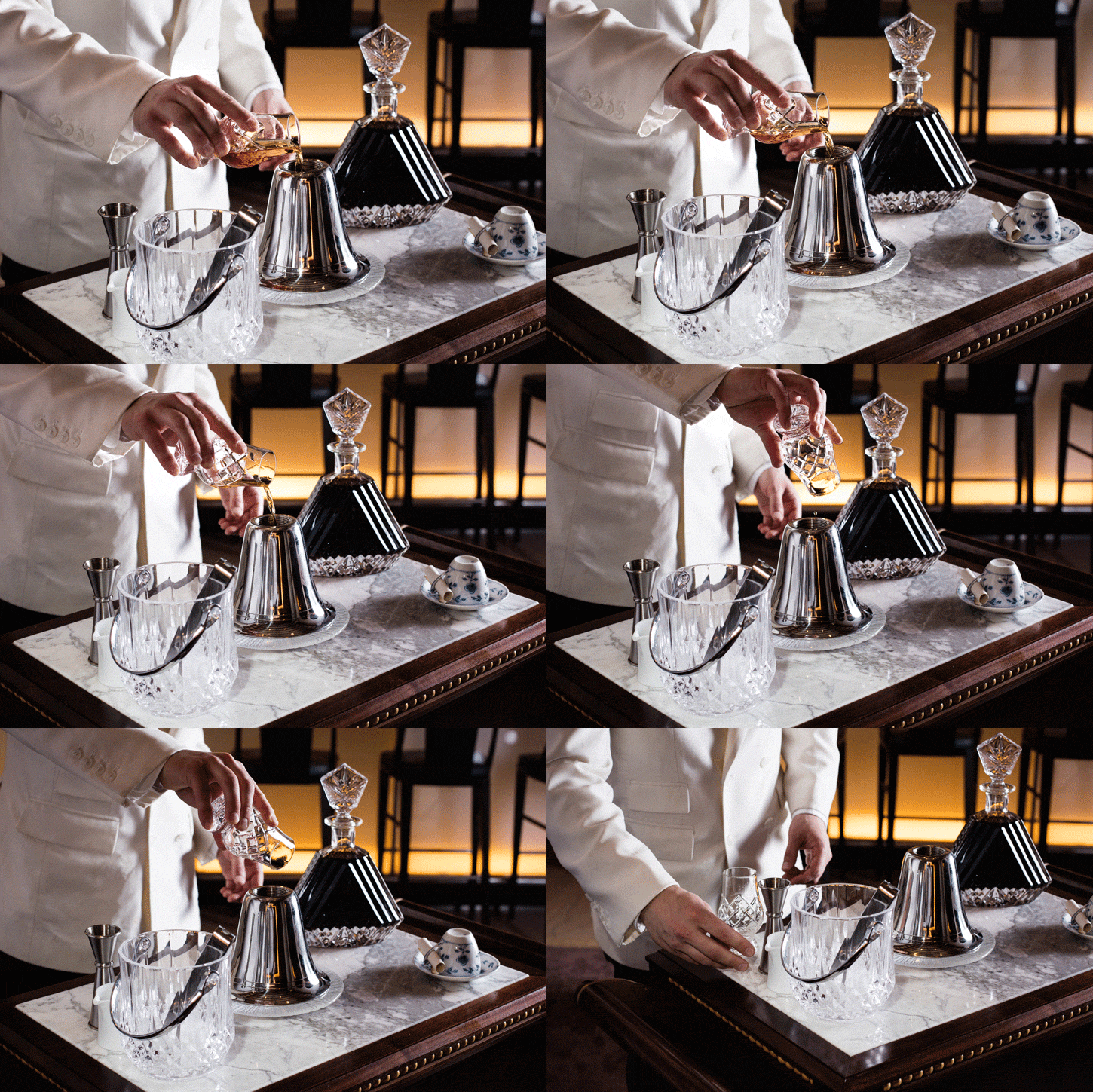
Gliding
alongside the cheese cart and the dessert cart, the mobile cocktail
station wheels up to its appointed table. There the bartender pours Punt
e Mes vermouth spiked with apricot liqueur and coffee syrup from a
curved, cut-glass decanter, then adds a second pour of Rittenhouse rye.
Instead of a traditional stir, the drink is rotated within a vintage
cocktail shaker that resembles an enormous bell. It’s then poured into a
dainty blue-and-white demitasse cup (a reference to the Prohibition
years, when cocktails often were hidden in plain sight in tea cups), a
little scroll with the cocktail’s history is unfurled, and a refill is
presented in a “creamer” pitcher on the side.
For high-end restaurants, this may be the future of cocktail
service. Just as bars are trying to become speedier and more efficient
(e.g. pre-batching drinks to pull within seconds from draft lines for
the thirsty hordes), many restaurants are redirecting the focus to
service and slowing the cocktail experience to a more deliberate pace.
Genteel Bottle Service
Back in 2012, at the height of Mad Men-inspired bar
cart fever, Leo Robitschek debuted a particularly sleek, custom
black-and-gold lacquered cart, since retired, at the NoMad Hotel. The
bar director likened it to a more genteel take on bottle service. Daniel
cites it as an inspiration.
“Tableside service is quite prominent in French-style
service, whether it’s bread or carvings or flambés,” explains Karim
Guedouar, Daniel’s service director. The restaurant’s canard a la press (pressed duck) is already legendary: a press is wheeled into the dining room to extract the jus from the duck carcass.
(If that seems like a lot of extra traffic, you’re right: the
restaurant actually removed four tables from the dining room to
accommodate the flow of all the carts.)
The goal is to deliver an experience, not just a drink. It’s
also a way to direct attention to the bar, which often plays second
fiddle to the wine list.
“We want to make sure our guests know there is truly a bar
and lounge at Daniel,” Guedouar says. “The bar cart is the best way to
do that.”
The showmanship also drives sales.
Approximately 10 to 15 tableside drinks are ordered each
night at Daniel, or about 75 in a week, says Guedouar. People see the
show, and tend to order one for themselves. That zest trickles into
sales of other drinks made at the bar, too. “It’s contagious in the
dining room.”
The Art of the Cart
The carts often mirror the aesthetic of the dining room. Consider, for example, the masculine brass and polished whiskey wood trolley at Bourbon Steak in L.A., and the rustic cart topped with a butcher’s block at Atlanta’s Gunshow, which has garnered attention for dispensing with the bar altogether, opting to make all of its drinks at the table.
Roving Bloody Mary carts also are a popular brunch option, spotted at Cecconi’s
in West Hollywood, in which guests are encouraged to load up their
eye-openers with all sorts of edible accouterments. Wolfgang Puck’s Cut in Las Vegas carts around Tequila Manhattans (yep, tequila instead of whiskey).
Carts are often a way to highlight a prized spirits
selection or collection—including prized bottles not available at the
regular bar. Del Frisco’s New York brings rare Cognacs and Armagnacs to the table, often making a show of serving them using a long-handled pipette, similar to the ones used to extract the liquid from the barrels in France. Meanwhile, Carbone Las Vegas rolls
out a vintage rum cart tableside, a bid by chef Mario Carbone to share
his personal passion for pairing vintage rums and cigars.
Daniel,
however, may be the only restaurant to narrow their tableside cocktail
down to a single drink. But once patrons have indulged, how to ensure
that the cocktail orders will continue to flow during future visits? The
answer: change up the drink every few months; the Castellammarese Rye
will bid adieu in May.
“Now that we have the cart,” Guedouar says, “we want to keep the ball rolling.”
Post a Comment