
Significant progress has been made in working
out how to grow blood stem cells in a laboratory. Researchers have
discovered the protein responsible for regulating the function and
development of the cells, providing them with a "serious advantage" in
working out how to maximise them for therapies.
Blood stem cells were the first stem cells to
be discovered, in the 1960s. More than 26,000 people are treated with
blood stem cells in Europe every year for a variety of life-threatening
conditions. However, they are very much in short supply. Being
able to develop these cells artificially has huge implications for
people suffering blood diseases who need them for treatments.
Blood stem cells come from bone marrow, the
bloodstream and the umbilical cord. These cells are easier to use for
transplants because they are more accessible and adaptable than other
types of blood stem cells. They are also safer and more effective.
However, only around 5% of blood samples from umbilical cords have enough stem cells in them for a transplant.
Researchers from
McMaster University, Ontario, wanted to find a way to develop more stem
cells from umbilical cord blood samples. They analysed umbilical cord blood to try and isolate the protein responsible for developing stem cells.
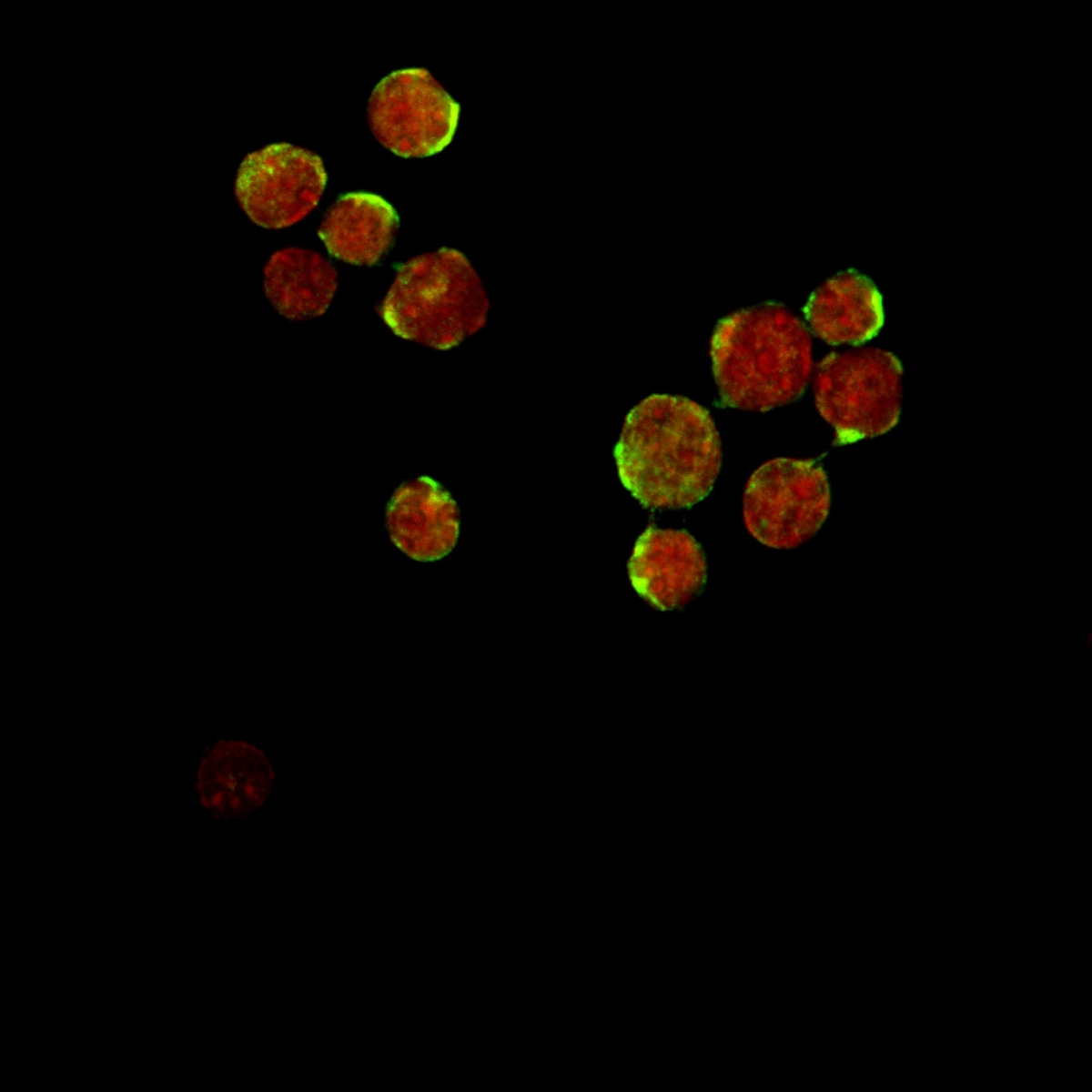
The study, published in Nature,
found the "Musashi-2" protein controls the function and development of
blood stem cells in umbilical cords. The researchers say the discovery
means new strategies can be used for growing these stem cells. They can
then be used for the tens of thousands of patients suffering from blood
disorders, including leukaemia, lymphoma and sickle cell disease.
"We've really shone a light on the way these
stem cells work," said Kristin Hope, senior author of the report. "We
now understand how they operate at a completely new level, and that
provides us with a serious advantage in determining how to maximise
these stem cells in therapeutics. With this new-found ability to control
the regeneration of these cells, more people will be able to get the
treatment they need.
Hope says the discovery means more donated
blood samples can be used for transplants. She adds: "Providing enhanced
numbers of stem cells for transplantation could alleviate some of the
current post-transplantation complications and allow for faster
recoveries, in turn reducing overall health care costs and wait times
for newly diagnosed patients seeking treatment."
Post a Comment