
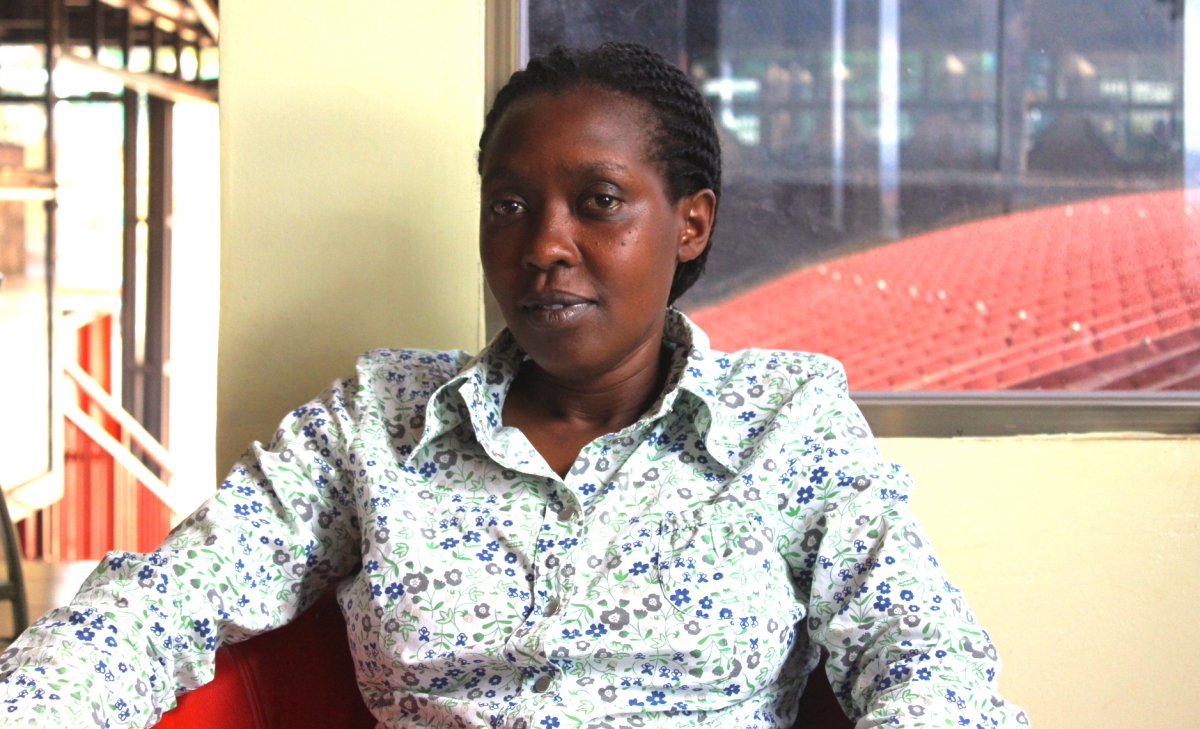
Honorine survived the 1994 massacres against the Tutsis in Rwanda and is now helping youths cope with genocide-related traumas
Ludovica Iaccino for IBTimes UK
Rape was widely used as a weapon of war in Rwanda during the
1994 genocide against the ethnic Tutsi population. Not only were an
estimated one million people – including women and children – brutally
massacred in just 100 days, but HIV-positive Hutu men were also
encouraged to rape Tutsi women so that they would be infected with the
virus.
Many of the youths
who were born out of rape do not know their fathers and have lost their
mothers due to HIV. In other instances, they were rejected by their
mothers and relatives due to the taboo surrounding the circumstances in
which they were conceived.
Labelled as "sons of Interahamwe" – a Hutu paramilitary organisation that contributed to the genocide – s
tigma, discrimination and a lack of education and opportunities still affect these youths, Rwanda's new generation.
Young people are victims of a genocide they did not commit
Honorine Uwababyeyi
is a réscapé, a survivor of the genocide. She was eight when the
massacres against the Tutsis ravaged the nation and she lost most of her
family.
After seeing the effects of the violence on herself and other youths, she decided she wanted to help.
In 2013, Uwababyeyi founded the Hope and Peace foundation,
which todays provides psychological support to 417 boys and girls who
were either born out of rape, survived the genocide, or whose parents
committed genocide-related crimes.
"These y
ouths are victims of the genocide
without having taken part in it.
Most of them have an identity crisis, they do not have relatives and
are not
accepted," Uwababyeyi told IBTimes UK.
"There is suspicion among y
ouths born out of rape and those whose parents committed genocide crimes. T
hey don't trust each other and some of them still share genocide ideologies," she continued.
"T
his is why it is important that they spend time together, so they can wipe away hatred.
It will take years to defeat this ideology and
psychological
and financial support are important, because otherwise people are hunted by the past while the rest of the country progresses.
"People's past s
hould not affect their whole lives. My message to the wold is: A
s long as you live, you are strong. Even when life puts you in front of challenges, you must have hope and things will change."
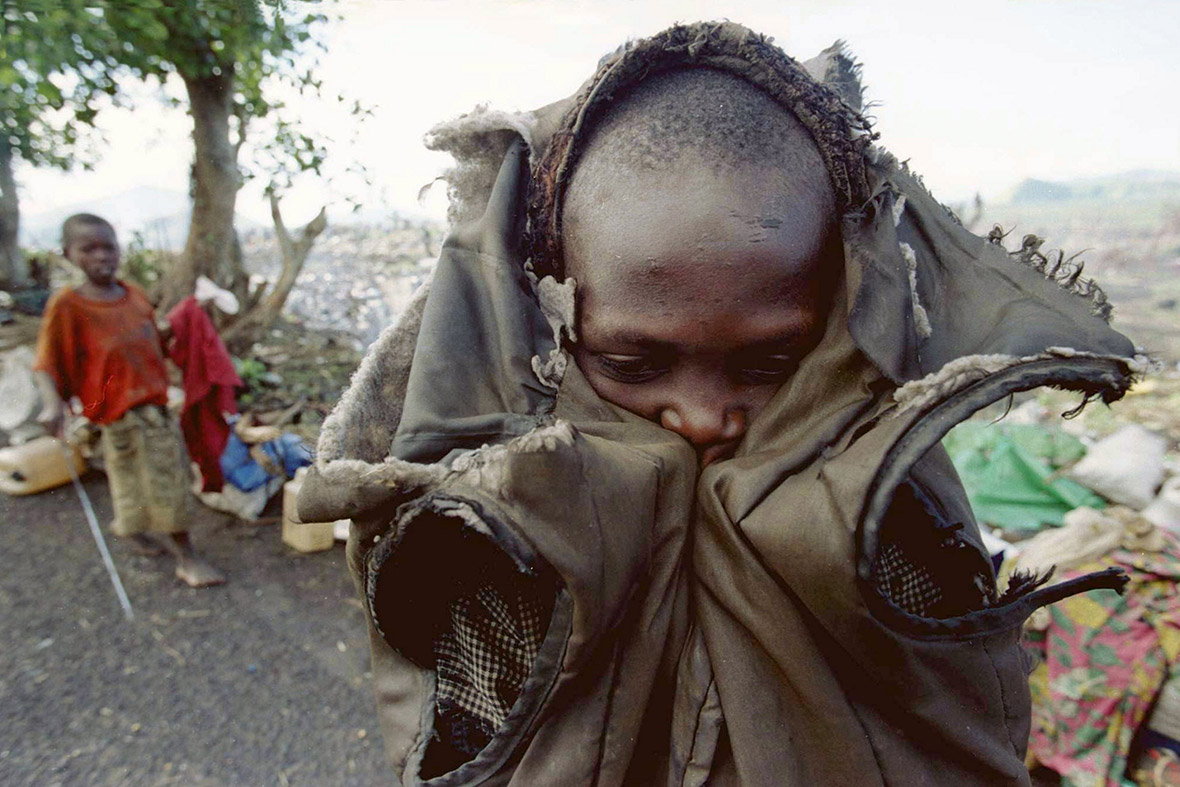
A young Rwandan who travelled from Bukavu to Goma as part of a group of 20,000 refugees is pictured in 1996
Corinne Dufka/Reuters
The Hope and Peace foundation
works across four provinces in Rwanda and is seeking to expand so that
it can afford to pay school fees for the beneficiaries. If you wish to
donate, you can contact the foundation here.
Post a Comment